Recent advances in large language models (LLMs) have transformed human-AI interaction, however, building effective collaboration requires AI systems that truly understand the people they work with. In this talk, we first audit the U.S. workforce to assess the impact of automation and augmentation on the future of work, guiding the development of AI agents that reflect workers’ perspectives. We then introduce General User Models (GUMs), which learn about users by observing any computer interaction and constructing propositions about user knowledge, preferences, and context. We further present NAP (Next Action Prediction), a framework for anticipating user intent by reasoning over rich multimodal sequences of human-computer interactions, where modeling long interaction histories enables significantly more accurate predictions. Overall, this talk highlights how to develop AI systems that are proactive and capable of fostering meaningful collaboration with human users.
Biography:
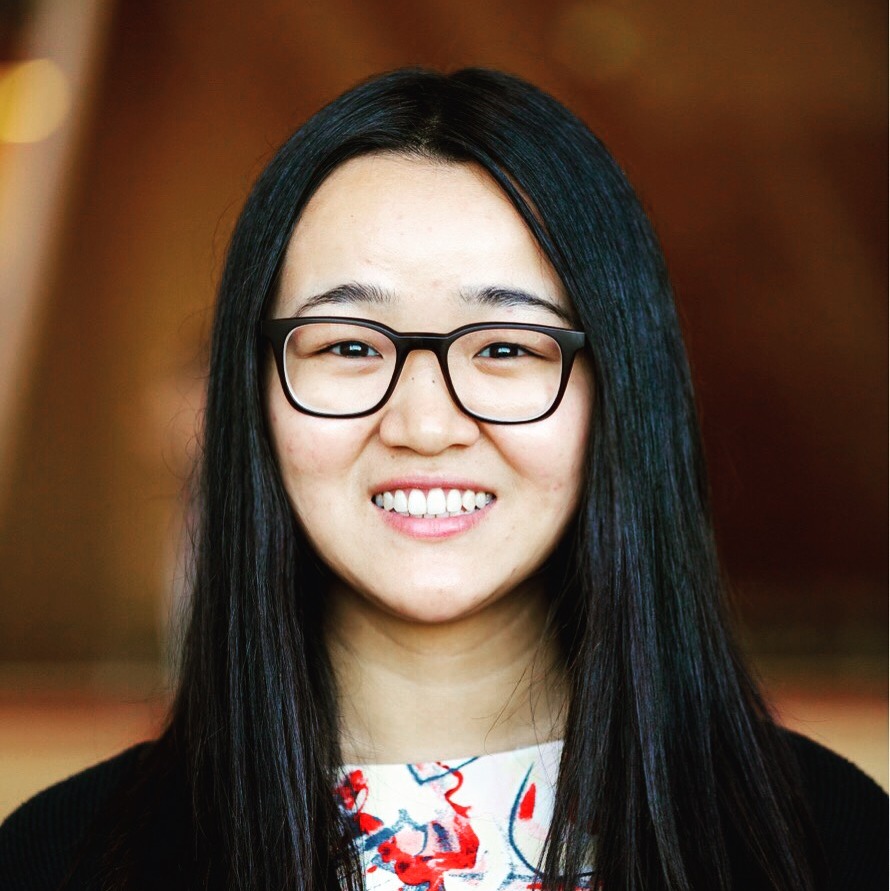
I am an assistant professor in the Computer Science Department at Stanford, affiliated with the Stanford NLP Group, Stanford HCI Group, Stanford AI Lab (SAIL), and Stanford Human-Centered Artificial Intelligence (HAI). I am interested in Socially Aware NLP, Large Language Models (LLMs) and Human-AI Interaction, with a focus on how LLMs can augment human capabilities across research, work and well-being. My research goal is to design human-centered AI systems that are not only technically capable, but also meaningfully connected to how people think, interact, and collaborate.